
 Check Today’s Price on: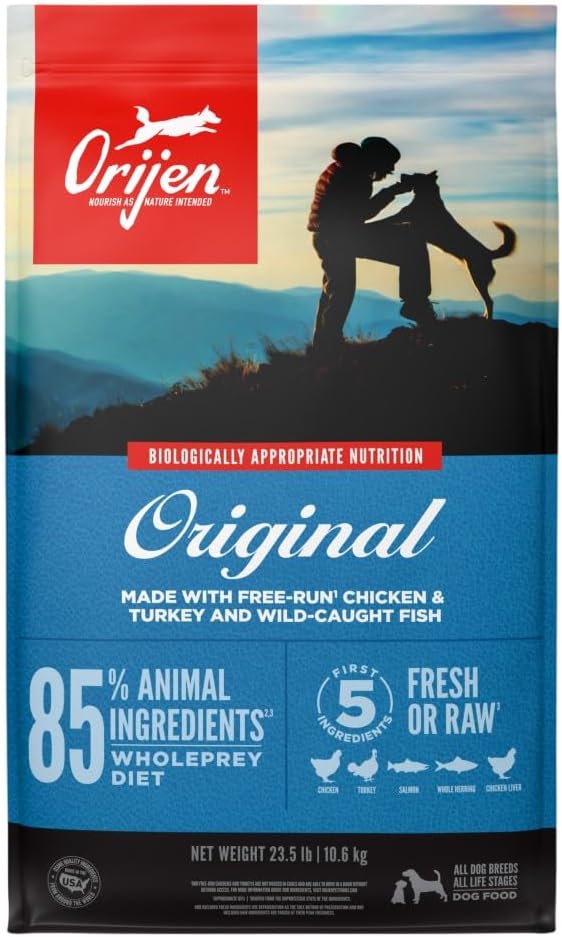


Frequently Asked Questions About Feeding Havanese

1. What is the best type of dog food for a Havanese?
The best dog food for Havanese should be high in quality proteins and balanced in fats and carbohydrates. Look for foods where real meat, such as chicken, beef, or fish, is the first ingredient. Ensure the food is suitable for small breeds and meets the nutritional needs specific to Havanese.
2. How much should I feed my Havanese?
The amount of food for a Havanese depends on their age, size, activity level, and metabolism. Generally, an adult Havanese requires about 1/2 to 1 cup of dry dog food daily, divided into two meals. Always refer to the feeding guidelines on your dog food’s packaging and consult your vet for specific advice.
3. Are grain-free diets suitable for Havanese?
Grain-free diets can be suitable for Havanese, especially if they have sensitivities or allergies to grains. However, ensuring the diet is well-balanced and provides all necessary nutrients is essential. Consult with a veterinarian before switching to a grain-free diet.
4. How often should I feed my Havanese puppy?
Havanese puppies should be fed three to four times daily with food formulated for puppies. As they grow older, around six months, you can reduce the number of feedings to twice a day. Puppy-specific food supports their growth and development.
5. Can Havanese eat a raw food diet?
Yes, Havanese can eat a raw food diet. Still, it must be carefully balanced to include the right amounts of protein, fat, carbohydrates, and essential vitamins and minerals. Please consult a veterinarian or a canine nutritionist before starting a raw diet to ensure it’s appropriate and safe for your Havanese.
6. What human foods are safe for Havanese?
Havanese can safely eat some human foods in moderation, such as lean meats, carrots, apples (without seeds), and green beans. Avoid foods toxic to dogs, like chocolate, grapes, onions, and garlic. Always introduce new foods gradually and in small quantities.
7. How can I tell if my Havanese is overweight?
Feel for their ribs and check their body shape to determine if your Havanese is overweight. You should be able to handle the ribs without a thick layer of fat, and they should have a visible waist when viewed from above. An overweight dog will have a less visible body definition and may show signs of decreased energy and mobility.
8. What supplements should I add to my Havanese diet?
Joint supplements for Havanese include fish oil for omega-3 fatty acids, glucosamine for joint health, and probiotics for digestive health. Before adding accessories, consult your veterinarian to determine if they are necessary and appropriate for your dog’s needs.
9. Is it okay for Havanese to have dairy products?
Some Havanese can tolerate dairy products in small amounts, but many dogs are lactose intolerant. If you give dairy, start with small amounts and monitor for any signs of digestive upset. Low-lactose dairy products like plain yogurt can be safer options.
10. How do I transition my Havanese to a new food?
When transitioning your Havanese to a new food, gradually over 7-10 days. Begin by mixing a small amount of the fresh food with the old, gradually increasing the proportion of the new while decreasing the old. This gradual transition helps prevent digestive upset.
11. What are the signs of food allergies in Havanese?
Signs of food allergies in Havanese can include itching, red or inflamed skin, chronic ear infections, and gastrointestinal issues like diarrhea or vomiting. If you notice these symptoms, consult your veterinarian for an appropriate diagnosis and treatment plan.
12. Can Havanese eat a vegetarian diet?
While dogs can survive on a vegetarian diet, it’s not ideal for Havanese. They thrive on a diet that includes high-quality animal protein. Consult a veterinarian or canine nutritionist to ensure nutritional completeness if considering a vegetarian diet.
13. Should I feed my Havanese wet or dry food?
Both wet and dry foods can be suitable for Havanese. Dry food can benefit dental health, while wet food can be more palatable and hydrating. Some owners choose to mix both. Consider your dog’s health needs, preferences, and lifestyle when deciding.
14. How can I prevent obesity in my Havanese?
Preventing obesity in Havanese involves maintaining a balanced diet with controlled portions and regular exercise. Monitor their food intake, limit treats, and ensure they have daily physical activity. Regular veterinary check-ups can help in managing a healthy weight.
15. What is the importance of water in my Havanese diet?
Water is essential for your Havanese’s health, and they should always have access to clean water. Dehydration can lead to serious health issues, particularly in small breeds like Havanese. Ensure your dog drinks enough water, especially after exercise and during hot weather.