
If you love your dog’s health and well-being like most dog lovers, you likely have encountered hip dysplasia. This is a common orthopedic problem mainly found in large breeds of dogs. Although genetics of hip dysplasia in dogs is the most significant factor contributing to this health issue in your furry friend, this can become a big issue for dog lovers and responsible breeders.
Hip dysplasia occurs when the hip joint, the important bone that attaches the leg to the body, does not develop properly. There should be a perfect fit, but there is a bit of laxity which causes instability, inflammation and arthritis finally. But where in this does genetics come into play? This can be in your genes. We’ll look at those factors throughout the blog and give what can we do as responsible breeders.
What is Hip Dysplasia?
Let’s talk about Hip Dysplasia a bit more! – what it really is, how it unfolds as a pup grows, and how much of it is due to the genetics of hip dysplasia in dogs.
Hip dysplasia is a growth issue where the hip joint doesn’t grow as it should. The hip joint is a spherical ball-like structure placed at one end of the thigh bone. This spherical joint is required to fit right into a socket in the pelvis, allowing simple movements. In a healthy dog, these parts grow optimally during a pup’s early days, creating a stable joint.
In contrast, with hip dysplasia, growth is not uniform, resulting in a loose and lax hip joint that does not sit as securely as it should be. Over time, this causes instability in the hip joint with excessive overuse. A dog with this deformity may show signs of discomfort, stiff gait, and reluctance to run and jump, which may worsen with age.
But what causes this abnormal development in the first place?
Genetics Factors: The Inherited Puzzle 
Hip dysplasia is mainly regarded as a hereditary disease that is not congenital. This means this disease does not appear at birth but develops as the puppy grows. Hip dysplasia also follows a polygenic form of inheritance; multiple genetics must combine to present hip dysplasia, making it difficult to predict or control through breeding.
Estimates for the heritability of hip dysplasia vary by breed. Still, it can be as high as 60% in some breeds, suggesting that a large portion of the risk of hip dysplasia in subsequent generations is due to genetics passed throughout – the Ancestor/Genetics + Environment. Therefore, a good portion may be inherited.
It is important to note that not all the genetic components have been fully identified relative to hip dysplasia in all dog breeds. Mapped genetic markers have been reported for hip dysplasia in some breeds like Labrador Retrievers. Indicating further the genetic markers of risk.
Also, low genetic risks can be identified in dogs that develop hip dysplasia, and it is essential to highlight that genetics alone are only part of the picture. Since genetics do not tell us the whole trait, these limits led researchers to focus on responsible breeding practices. This is achieved by evaluating hip phenotype or good hip phenotype (as evaluated by hip scoring systems like OFA and PennHIP, among others) supported by family history.
Environmental Influences: The Other Half of the Equation
Though genetics play a significant role in factoring in hip dysplasia, lifestyle factors may determine how bad hip dysplasia becomes or whether it develops genetically. Usually, large breeds, or puppies that grow fast due to over or high feeding, are at higher risk. They must maintain a lean body condition.
Balanced exercise must help build muscle around the hip to build better hip joints. However, high-impact exercises like jumping and long-distance running at a young age can exacerbate joint laxity. Having stronger muscles around the hips can help with the symptoms and delay the onset of arthritis.
Some studies show that spaying or neutering before full skeletal maturity can lead to a greater risk for hip dysplasia in some breeds. However, more research is needed.
To summarize, although the influence of genes is critical, how a pup is raised affects joint formation significantly and determines whether it becomes dysplastic.
Genetics of Hip Dysplasia: Why it’s a Breeder’s Concern 
As stated above, the hip dysplasia development of your pup occurs due to the interaction of several factors. That is why we label it as “polygenic inheritance” referring to the multiple genes involved in whether a dog gets affected by hip dysplasia.
Sadly, a few breeds are more likely to suffer from hip dysplasia than others. Some major ones that you might have heard include. Lab, German Shepherd, Golden Retriever, and large mixed-breed dog. This is because they are larger, they can be pre-disposed to this.
Breeding for hip dysplasia will really help!
When a breeder purposely breeds dogs with healthy hips (over several generations), they can significantly lower the chances of hip dysplasia in the puppies. Choosing the right parent for mating is very important. If the parents have good hips, puppies are more likely to have good hips too.
The OFA (Orthopedic Foundation for Animals) and PennHIP are examples of scoring systems used for dogs’ hips.
When vets use X-rays to check hips, they give a score or a certification. Breeding dogs with good hip scores or certifications from these systems is critical in ensuring a breeder isn’t unknowingly increasing the risk of hip dysplasia in the offspring.
Remember, no test is perfect, but these tools offer the best current means for breeders to make educated decisions and to work towards healthier hips in our breeds.
Reducing the Risk: Breeder Best Practices
Keeping the hips of puppies healthy is very important as a breeder.
While genetic testing for hip dysplasia is functional, it is not crystal ball magic. The problem lies in the current genetic tests that are not foolproof. They might identify some genes that could increase the risk, but a ‘clear’ test doesn’t guarantee a puppy will never develop hip dysplasia, and a ‘high risk’ test doesn’t mean they will.
Think of it like a weather forecast – it gives you an idea of what might happen, but it’s not always 100% accurate. Even though they may not be perfect at prediction, the latest tests can provide more information to help with informed breeding decisions, along with those hip scores and pedigree data. As research continues, these tests are likely to get even better.
Now, let’s talk about outcrossing and line-breeding: it’s all about keeping the gene pool healthy and diverse!
Line breeding is when you breed related dogs but not super closely “in the family tree” (see cousins). It means trying to breed puppies that reliably produce the same traits. The pro? You have a better chance of getting those lovely qualities you aim for. However, it can also narrow the gene pool, potentially increasing the risk of bringing out less desirable inherited health issues, including hip dysplasia.
Outcrossing: Breeding dogs that are not closely related is called outcrossing. This helps increase genetic diversity, strengthen the breed, and decrease inherited disease risks. Purebreds are more prone to several health issues primarily caused by genes that run in the family. This is also the reason why purebreds may benefit from being outcrossed. However, outcrossing could also complicate breeding, such as predicting traits in puppies.
Using the right combination is critical. Knowledgeable and responsible decisions made through an understanding of the strengths and weaknesses of line breeding and outcrossing will impact the long-term health of our breeds all the more.
Puppy Growth Management 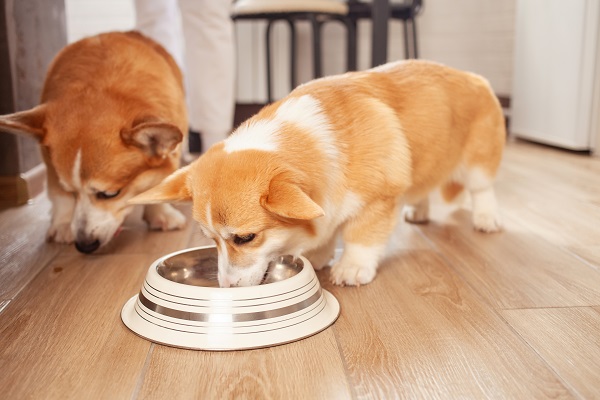
Puppy Growth is the stage where we want to ensure those hip joints are ready to make the highest jump. Raising our puppies in a certain way can affect whether they develop hip dysplasia.
Diet is super important! Overfeeding large breeds of puppies and allowing them to grow too fast can put excess strain on their developing joints and increase the likelihood of hip dysplasia. Large-breed puppy diets designed for slower growth are often recommended. Keeping them lean as they grow is also essential. For that, exercise needs to be just right.
Even though exercise is important for developing muscles around the hip joints, too much high-impact exercise while growing may do damage. We must encourage suitable moderate activity that enhances muscle growth but does not overly stress those developing hips. Keeping the weight in check is a lifelong job! Keeping your dog thin throughout their life is good for their joints and will help with the symptoms if they develop hip dysplasia. Finally, it is the responsibility of breeders to educate their puppy buyers about prevention!
Myths vs. Facts: Common Misconceptions About Hip Dysplasia
Myth: It’s only a large-breed problem
Fact: The condition can also occur in small breeds. Hip dysplasia primarily affects larger breeds, such as German Shepherds and Labradors, but any dog can develop it if the hip joints have abnormal development regardless of its size.
Myth: It’s only genetic
Fact: The environment is crucial, too. Hip dysplasia is hereditary, but it is also multifactorial in nature. Elements related to the environment also have an impact. For example, if puppies are overfed or grow too quickly, they can get hip dysplasia even with low genetic risk.
Myth: Dogs will outgrow it
Fact: Infact, if left untreated, it deteriorates with age. If your dog has hip dysplasia, degenerative joint disease, or osteoarthritis, it will develop as they age if left untreated. Some mild cases of hip dysplasia won’t show symptoms until later in life, but because the condition worsens with age, treatment with diet, exercise, and possibly surgery is necessary.
Conclusion
Breeding and genetic research hold great promise in the fight against hip dysplasia. To appreciate the progress being made, it is essential to understand the polygenic nature of hip dysplasia and how molecular studies are discovering genes associated with the condition in different breeds.
According to research on Labrador Retrievers undertaken by the AKC, genomic breeding values are now used to improve selection. Insights here suggest that, in the future, better genetic tools will join forces with traditional ones to provide more precise information on which genetics of hip dysplasia in dog possesses the most risk for a dog to develop hip dysplasia.
The OFA and PennHIP screening programs are the best way to assess a dog’s hip conformation. There are weaknesses with each of these evaluations but using them can dramatically reduce the risk of poor breeding decisions and improve hip health in future generations.
The future will see breeders and vet surgeons, along with the researchers, work as a team to succeed in tackling hip dysplasia. While geneticists examine the genetic and environmental factors behind hip dysplasia, the vets will diagnose, screen, and educate breeders.
Together, we can make a difference in reducing the impact of hip dysplasia. In short, what does a breeding decision made today mean for the health of future generations? If we understand what’s in the genes of our breeds, use our screening tools, manage puppy growth, and educate our buyers, we can create a brighter future for dogs.
Action to Take:
✔️ Breeders should screen their dogs via OFA or PennHIP before breeding.
✔️ Share knowledge with fellow breeders and puppy buyers.
✔️ Stay updated on hip dysplasia research through veterinary journals.
✔️ Join breeder forums and clubs to exchange experiences and expertise.
Together, we can make our breeds healthier for generations to come!