🐾 Hey there, fellow dog lovers! 🐾 If you’ve recently welcomed a furry friend into your life, congratulations! You’re about to embark on one of the most rewarding (and sometimes chaotic) journeys of your life. But let’s face it—navigating the world of dog training can feel a bit like trying to teach a cat to fetch. Whether you’ve got a playful puppy or an older dog with some quirky habits, getting your pup to behave can be a bit of a puzzle. Don’t worry, tho! We’ve got your back with some tail-waggingly effective training tips that will make both you and your four-legged buddy feel like pros. So grab a treat, find a comfy spot, and let’s dive into the essential dog training tips every newbie needs to know! 🐶✨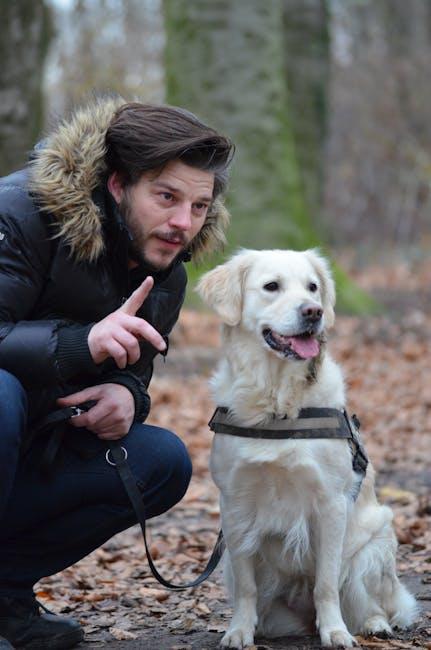
Getting Started with the Basics of Dog training
When diving into the world of dog training, it’s essential to lay a solid foundation. Start by establishing a strong bond with your furry friend. Spend quality time together through play and interaction,which can make all the difference in your training journey.Here are some key points to remember:
- Patience is key: Don’t rush the process. Remember, it takes time for your pup to learn.
- Consistency matters: Use the same commands for actions and stick to a routine to avoid confusion.
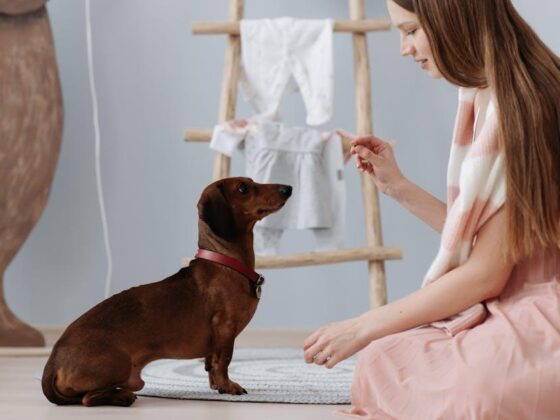
- Positive reinforcement: Reward your dog with treats or praise to encourage good behavior. Everyone loves a little praise,right?
As you begin to introduce commands,keep it simple and focus on a few basic ones. Start with essential commands like “sit,” “stay,” and “come.” Here’s a handy table to visualize the commands and some tips on how to teach them:
| Command | Tips for Training |
|---|---|
| Sit | Use a treat to guide your dog’s nose up while gently pushing its rear down. |
| Stay | Start with short distances and gradually increase as your dog learns. |
| Come | Call your dog in a happy tone, and reward them when they reach you. |
With practise and love,your training sessions can turn into cherished bonding moments. Training should feel like playtime—exciting, rewarding, and filled with joy!
understanding Your Pup’s Unique Personality
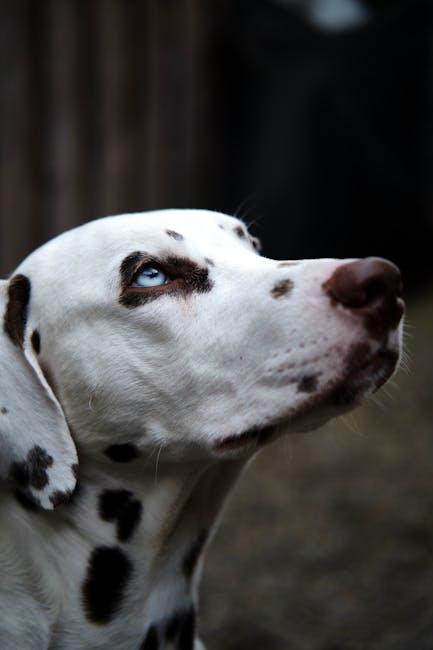
Every pup has its own distinct personality traits, much like us humans! Understanding what makes your dog tick is essential for effective training. Some dogs are naturally more energetic and exuberant, while others might prefer a chill vibe. Take time to observe your dog’s behavior in various situations to see how they react. You might discover that certain commands can be more easily understood by rewarding them in ways that resonate with their unique traits. For instance, a playful dog may respond best to a game of tug-of-war after a triumphant sit command!
Recognizing these different personalities also influences how you train. Here are a few personality types you might encounter, and some effective training tips for each:
| Personality Type | Training Tips |
|---|---|
| Social Butterfly | Incorporate socialization with other dogs, use group classes. |
| Laid-back Louie | Use gentle encouragement, avoid harsh commands. |
| Curious Explorer | Create engaging activities that involve problem-solving. |
| Shy Snuggler | Slowly introduce new environments and people. |
Get to know what drives your pup—whether it’s treats, playtime, or snuggles—as it’s a game changer in the training process. Tailoring your approach tailored to your dog’s character will not only make training more effective but also add joy and camaraderie to your bond! So, grab those treats and start practicing with a deeper understanding of your furry friend.
Essential commands Every Dog Should Know
Training your dog is an exciting adventure, and mastering a handful of essential commands can make life with your furry friend more enjoyable and safer. Start with the classics to set a solid foundation for communication. Here are some commands that every dog should master:
- Sit: The classic command that instills discipline and focus.
- Stay: A lifesaver for keeping your pup out of trouble.
- Come: Ensures your dog returns to you safely, whether in the park or at home.
- down: Teaches calmness and can help in managing excitement.
- Leave it: Prevents your dog from eating something harmful or getting into mischief.
Next, once your dog masters the basics, you can sprinkle in some fun and more advanced commands to keep training engaging. These commands not only impress your friends but also enhance your bond. Check out this table for some commands that add a little flair:
| Command | Description |
|---|---|
| Shake: | Get your dog to offer a paw for a cute handshake. |
| Roll Over: | A fun trick that entertains and impresses! |
| Bark: | Teach your dog to bark on command – great for a little show-off. |
| Spin: | Watch your dog perform a twirl; it’s great for exercise too! |
Fun and Engaging Training Techniques to Try
Inject some energy into your training sessions with fun games that keep both you and your pup engaged! Try incorporating the following activities into your routine to make training feel less like a chore and more like playtime:
- Hide and Seek: Have your dog stay while you hide. Once you find a spot, call your dog and reward them with treats when they find you!
- tug-of-War: Use a strong rope toy to encourage gentle tugging. This can definitely help reinforce the “drop it” command while also being a delightful exercise.
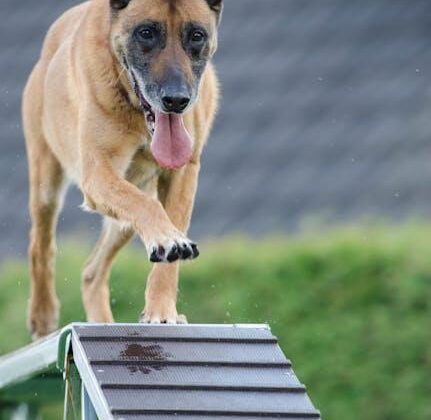
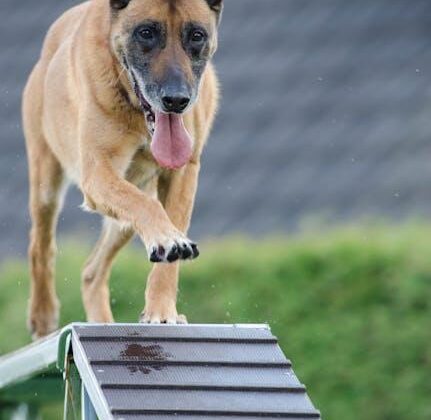
- Obstacle Course: Create a mini obstacle course using household items. Guide your dog through it and celebrate their achievements with plenty of praise!
Another great way to enhance your dog’s learning is through clicker training, which can add a layer of excitement and clarity to commands. As a fast reference, here’s a simple table showcasing some popular commands you can use along with clicker training:
| Command | Click Timing | reward Type |
|---|---|---|
| Sit | Click as soon as they sit | Treat or praise |
| Stay | Click while they hold the position | Favorite toy or snack |
| Come | Click when they reach you | exciting playtime |
Q&A
Q&A: Fetch These Essential Dog Training Tips for Newbies!
Hey there, fellow dog lovers! Whether you’re a brand new pup parent or looking to refresh your skills, we’ve got you covered with some essential dog training tips. Let’s jump into the most common questions you might have!
Q1: What’s the best way to start training my new puppy?
A1: The best thing you can do is start with the basics, like teaching commands such as “sit,” “stay,” and “come.” Keep training sessions short and fun—about 5 to 10 minutes is ideal for a rookie pup’s attention span. And don’t forget to use lots of treats and praise as positive reinforcement!
Q2: How do I get my dog to stop jumping on people?
A2: Ah, the classic jumping dog move! To curb that high-flying enthusiasm, teach your pup to “sit” when greeting people. When visitors arrive, have your dog sit and stay before they can receive any attention. Remember, consistency is key.If you skip it once, they’ll test those jumping skills again!
Q3: What’s the deal with leash training? My dog pulls like a freight train!
A3: Welcome to the world of leash training! Start by letting your pup walk beside you without pulling. Use treats to guide them into the right position. if they pull, stop walking until they come back to you. It’s all about teaching them that walking calmly gets them where they want to go—so patience is your best friend here!
Q4: How can I stop my dog from barking excessively?
A4: excessive barking can be a bit of a challenge. Start by identifying what triggers the barks—coudl it be the mailman, other dogs, or boredom? Once you figure out the trigger, you can work on redirecting their attention with toys or commands like “quiet.” Remember to reward them when they stop barking!
Q5: Can I train my dog without treats?
A5: Sure thing! While treats are a great motivator, many dogs respond well to praise, toys, or even a fun game of fetch as rewards. Just find what makes your pup wag their tail and use that to reinforce good behavior!
Q6: How do I handle stubborn dogs?
A6: Stubborn dogs can test your patience, but it’s important to stay calm and consistent. Mix up your training methods, incorporate longer walks to burn off excess energy, and don’t forget to keep things fun! Sometimes, a little extra effort can work wonders.
Q7: How long will it take to train my dog?
A7: Patience is the name of the game! Training isn’t an overnight achievement—some pups pick things up quickly, while others might take a little longer.Generally, you can expect to see progress in a few weeks, but keep practicing consistently for lasting results.
Q8: What should I avoid while training?
A8: Avoid using harsh corrections or negative reinforcement. It can create fear and anxiety in your pup, which is the opposite of what you want! Always focus on positive reinforcement to build that loving bond and trust.
Remember, every dog is unique, and some may take longer than others to learn. The important thing is to enjoy your time together and celebrate those little wins! Happy training, everyone! 🐾✨
The Conclusion
And there you have it, folks! Those are some essential dog training tips to help you and your furry friend get off on the right paw. Remember, every dog is unique, so don’t stress if things don’t click right away—patience is half the game. Keep it fun, mix things up, and celebrate the little victories along the way. Training your pup isn’t just about commands; it’s about building a bond that’ll last a lifetime.
Now get out there and fetch those training goals! Your adventure is just beginning, and trust us, it’s going to be a tail-wagging good time. If you found these tips helpful, don’t forget to share them with your fellow dog parents.Happy training, and may your days be filled with barks of joy and wagging tails! 🐾❤️