 Shutterstock
Many dog owners recognize their pets’ anxiety during thunderstorms, but the reasons behind this fear are more complex than just loud noises. Thunderstorm phobia in dogs can stem from various factors, including sensory overload, changes in atmospheric pressure, and even past negative experiences. These unexpected triggers contribute to a dog’s fear of thunder, making it a deeply distressing experience. By understanding the diverse causes of this anxiety, pet owners can take steps to manage their dog’s fear, creating a safer and more calming environment during storms.
Sensitivity to Barometric Pressure
 Shutterstock
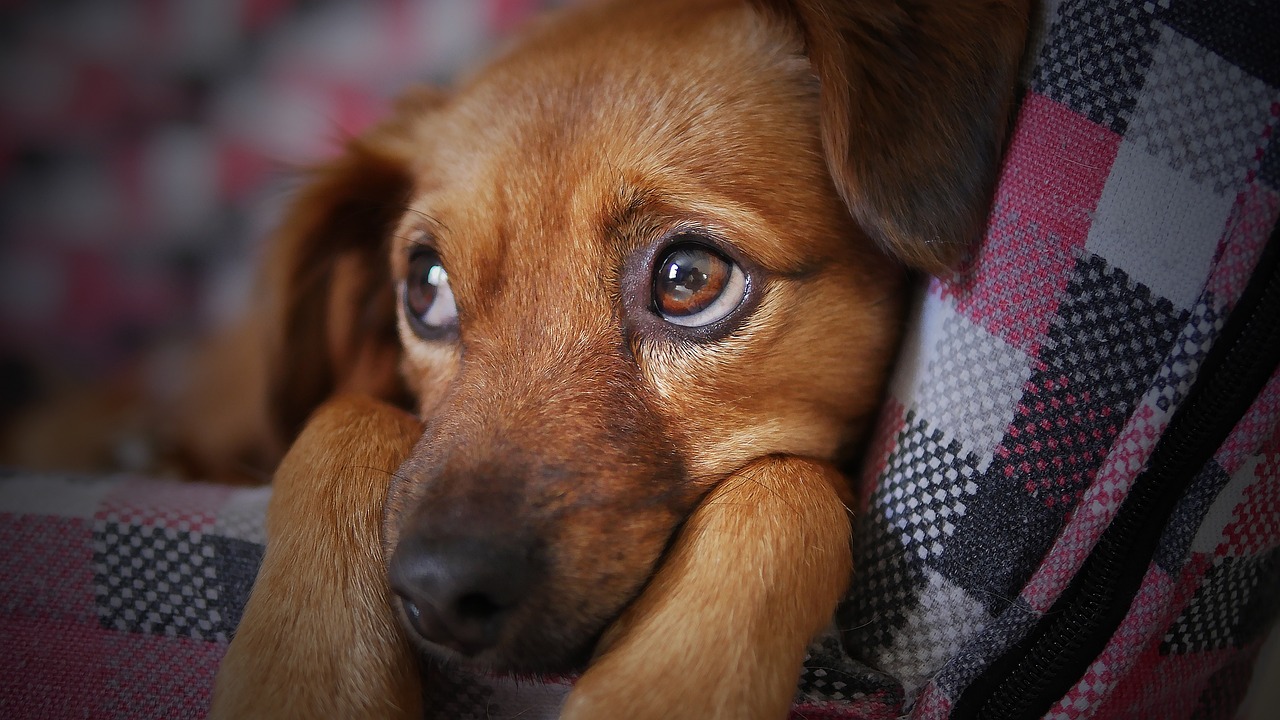
One of the less obvious reasons dogs may fear thunderstorms is their sensitivity to changes in barometric pressure. Dogs can detect even subtle shifts in pressure, which often occur before a storm begins. This pressure change can cause discomfort or unease in dogs, and they may associate it with the arrival of a storm. Dogs particularly sensitive to their environment may feel anxious long before the first thunderclap, making this a significant, though often overlooked, factor in thunderstorm phobia.
Static Electricity Build-Up
 Shutterstock
Another unexpected cause of a dog’s fear of thunder is the build-up of static electricity in the air during a storm. Dogs with long or dense fur are particularly prone to feeling the effects of static electricity, which can cause tingling sensations on their skin. This unfamiliar and uncomfortable feeling may lead to anxiety and fear. In some cases, dogs may even seek out grounded areas, like bathtubs or other metal surfaces, to relieve the discomfort caused by static build-up.
Loud Noise Sensitivity
 Shutterstock
While the loud sound of thunder is an obvious trigger for dogs, many people don’t realize just how much more acute a dog’s hearing is compared to humans. Dogs can hear frequencies and sounds that we cannot, and the booming sound of thunder can be extremely overwhelming. Thunder can be terrifying for dogs with noise sensitivities because they perceive it much louder than we do. This heightened sensitivity to sound can amplify their fear and anxiety during storms, causing them to react more strongly than expected.
Negative Past Experiences
 Shutterstock
Dogs are highly associative animals, and past negative experiences with thunderstorms can exacerbate their fear. Suppose a dog has previously experienced trauma during a storm, such as being left alone or startled by a particularly loud clap of thunder. In that case, they may develop a conditioned fear response. This learned fear can carry over to future storms, even if the dog is now in a safe and calm environment. Over time, the dog may become increasingly fearful of storm-related stimuli, even when no direct threat exists.
Changes in Light and Environment
 Shutterstock
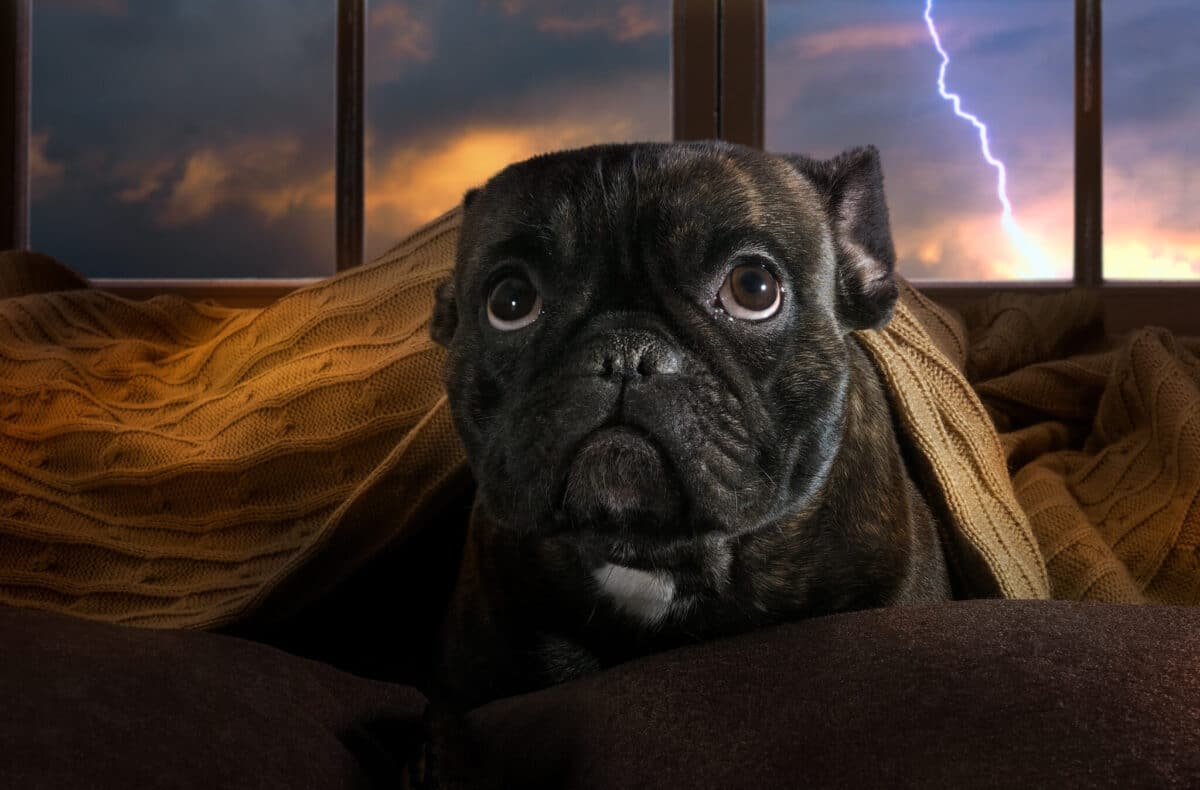
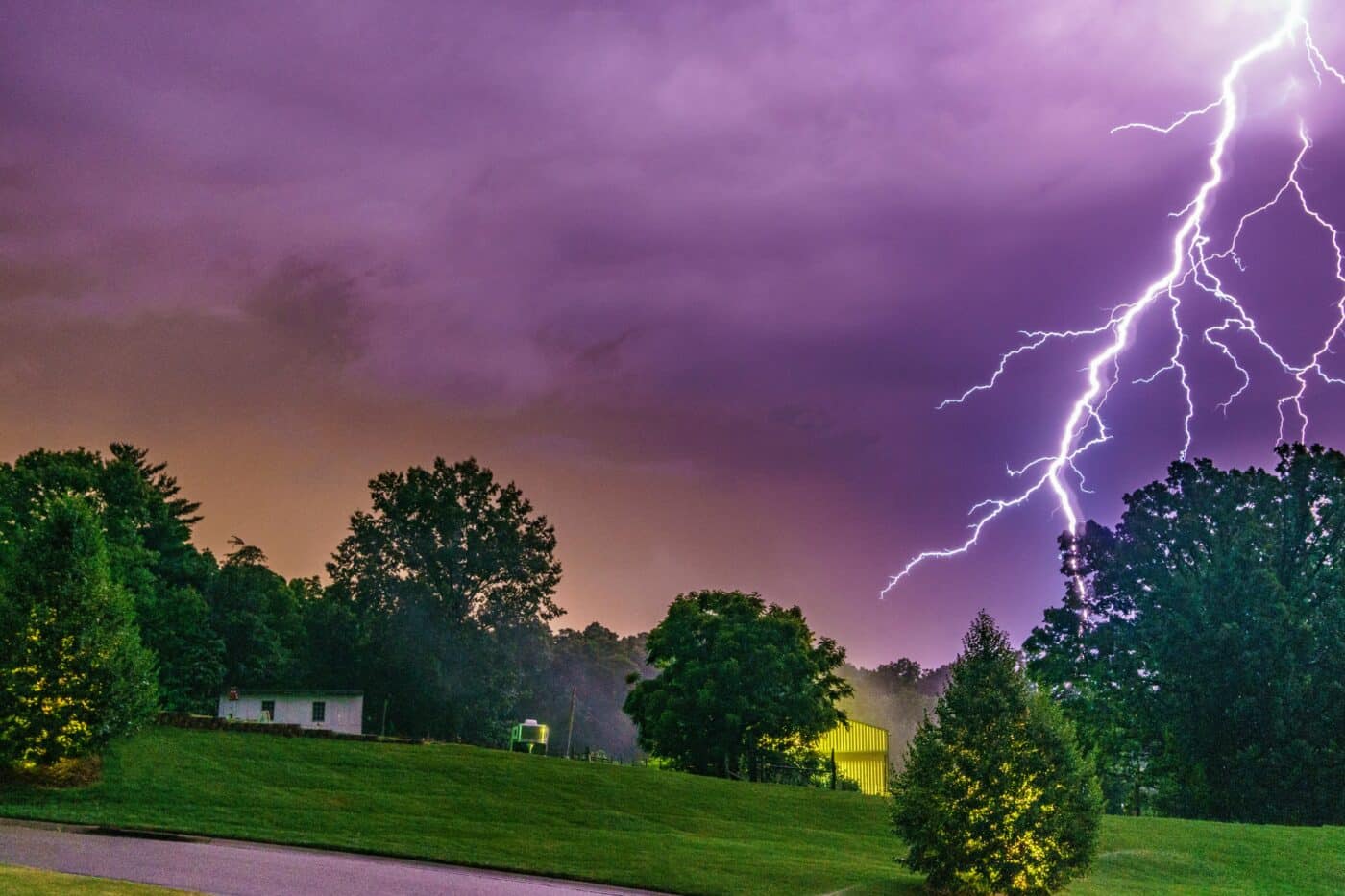
The sudden changes in light, such as flashes of lightning combined with the darkening of the sky, can also contribute to a dog’s fear of thunderstorms. The rapid changes in their visual environment can be startling, especially for dogs sensitive to light or motion. In addition, the overall atmosphere during a storm—darker skies, wind, and rain—can create a sense of unease. Dogs may interpret these environmental shifts as a sign of danger, causing them to become more anxious and fearful during thunderstorms.
Vibrations from Thunder
 Shutterstock
Dogs are incredibly sensitive to vibrations, and the low-frequency rumble of thunder can cause the ground to shake or produce vibrations that dogs can feel through their paws. Though often imperceptible to humans, these vibrations can be alarming to dogs. The combination of loud noise and subtle vibrations can create an overwhelming sensory experience for dogs, contributing to their fear. This sensitivity to vibrations is particularly noticeable in dogs with heightened senses due to their breed or past experiences.
Separation Anxiety
 Shutterstock
For dogs that suffer from separation anxiety, thunderstorms can be particularly challenging. The fear of being alone and the unpredictability of storms can intensify their anxiety. Dogs that are already predisposed to separation anxiety may feel more vulnerable and stressed when a storm occurs, especially if their owners are not home. The combination of thunder-related stimuli and their fear of abandonment can cause these dogs to panic, leading to destructive behavior or excessive barking during storms.
 Shutterstock
A lack of proper socialization during a dog’s formative years can also contribute to thunderstorm phobia. Dogs not exposed to various sounds, environments, and experiences when they were puppies may develop fears of unfamiliar stimuli, including thunderstorms. Without the experience of safely navigating these types of events, dogs may react with fear and anxiety when they encounter them later in life. Early socialization is key in helping dogs build confidence and reduce fear-based reactions to new or unexpected situations.
Owners’ Anxiety and Reactions
 Shutterstock
Dogs are incredibly perceptive when it comes to their owner’s emotions. If a dog’s owner becomes anxious or stressed during a thunderstorm, the dog will likely pick up on those emotions and mirror them. When owners inadvertently reinforce fear by comforting their dog excessively or showing signs of distress, it can teach the dog that thunderstorms are something to fear. This shared anxiety can contribute to the dog’s overall fear of storms, making it more difficult to manage their reactions in the future.
Breed Disposition
 Shutterstock
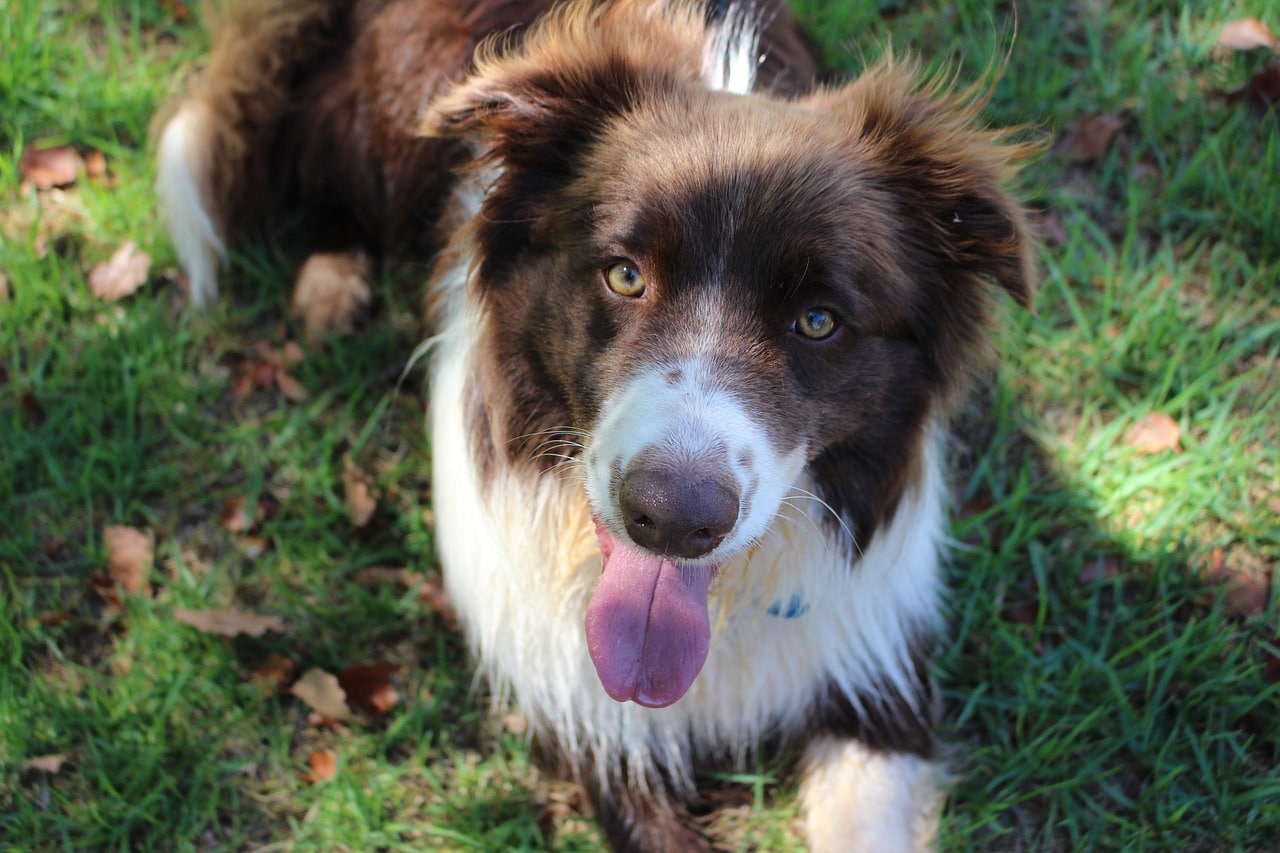
Certain dog breeds are more prone to developing thunderstorm phobia than others. Breeds highly sensitive, such as herding dogs like Border Collies or working dogs like German Shepherds, may be more likely to experience anxiety during thunderstorms. These breeds are often more in tune with environmental changes and have a heightened sensitivity to stimuli, making them more susceptible to fear. Understanding a dog’s breed disposition can help owners anticipate fears and develop desensitization techniques early on.
Sensory Overload
 Shutterstock
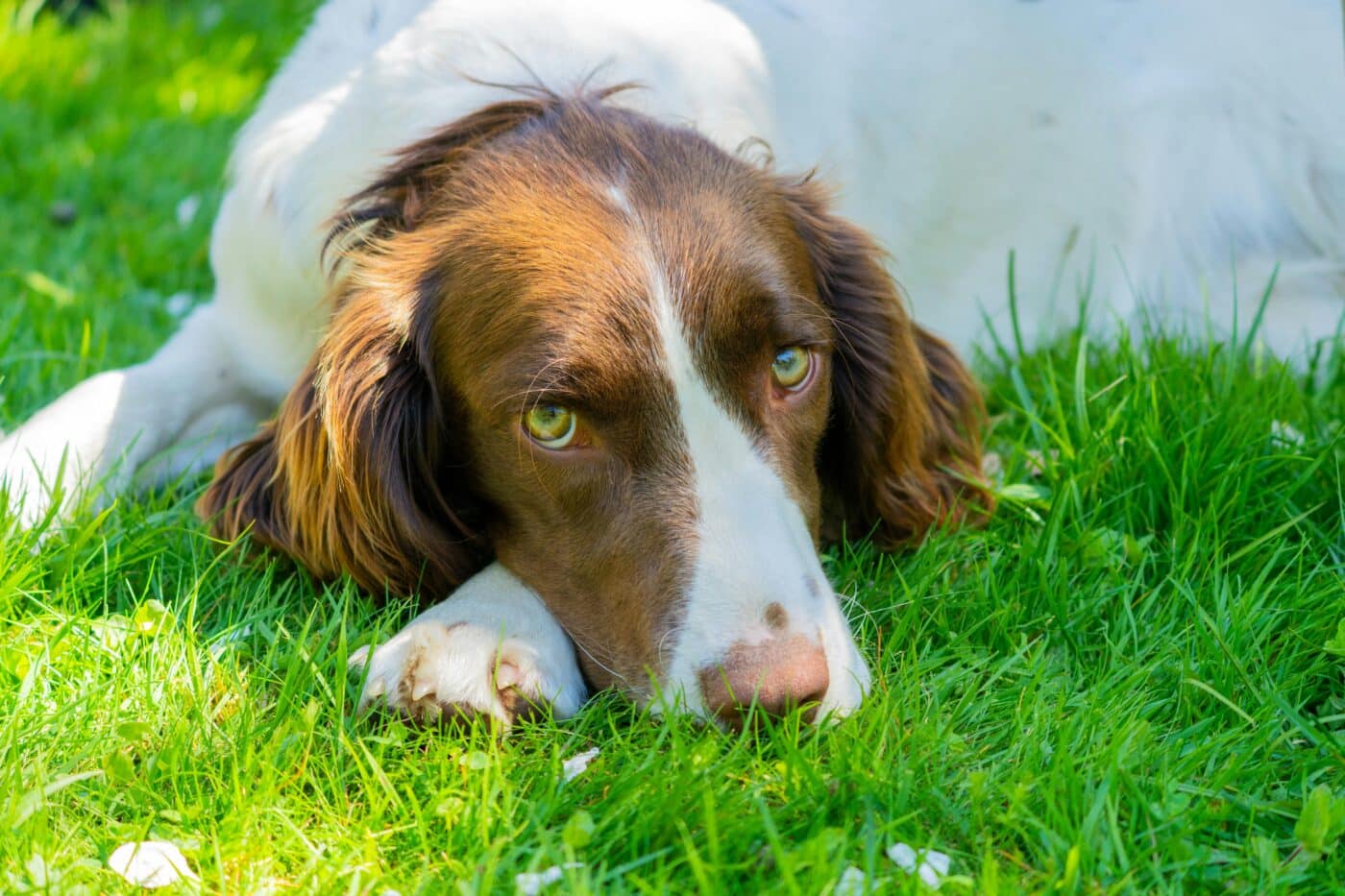
Thunderstorms present a barrage of sensory stimuli—loud sounds, bright flashes, changes in air pressure, and vibrations—that can overwhelm some dogs. This sensory overload can trigger fear and anxiety, particularly in dogs that are already sensitive to their environment. When multiple senses are triggered at once, dogs may struggle to cope with the intensity of the experience. Sensory overload can cause a dog to become disoriented and fearful, leading to pacing, hiding, or other signs of distress.
Inability to Escape
 Shutterstock
One of the most significant factors contributing to a dog’s fear of thunderstorms is their inability to escape the situation. Dogs instinctively want to seek shelter or find a safe place when they perceive a threat, but during a thunderstorm, the loud noises, vibrations, and changes in pressure are inescapable. Feeling trapped can heighten a dog’s anxiety, as they cannot remove themselves from the source of their fear. Providing a safe, quiet space during storms can help alleviate some of this fear and give dogs a sense of security.
Understanding Thunderstorm Anxiety in Dogs
 Shutterstock
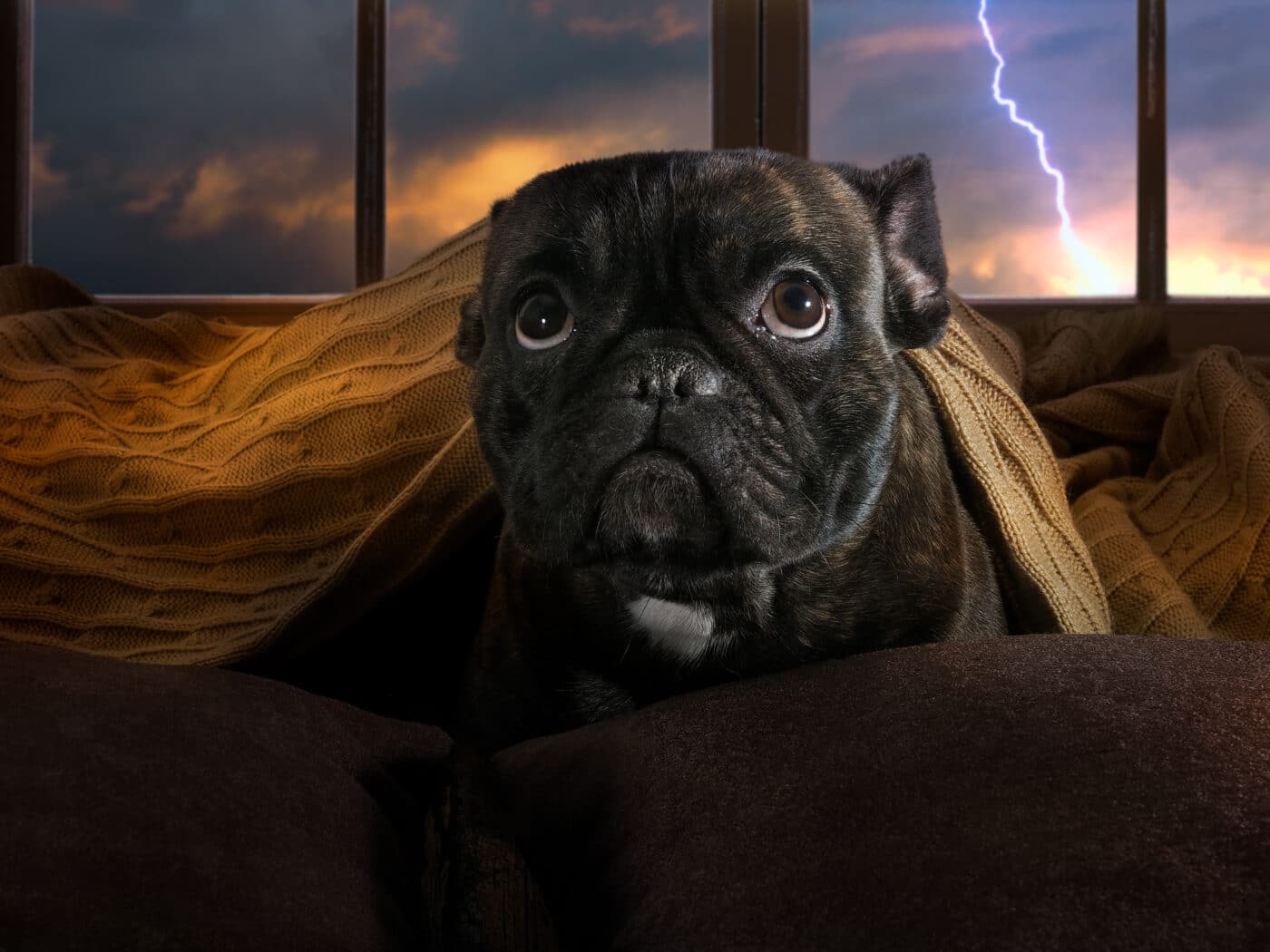
Thunderstorm anxiety in dogs often results from a combination of sensory factors, past experiences, and environmental influences. Pet owners can better manage their dog’s reactions during storms by understanding these various causes—ranging from sound sensitivity and pressure changes to breed disposition and sensory overload. Recognizing these triggers allows owners to create a calmer, more secure environment, reducing their dog’s fear and anxiety. Addressing these factors ensures that dogs feel safer and more comfortable when thunderstorms occur, improving their overall well-being.